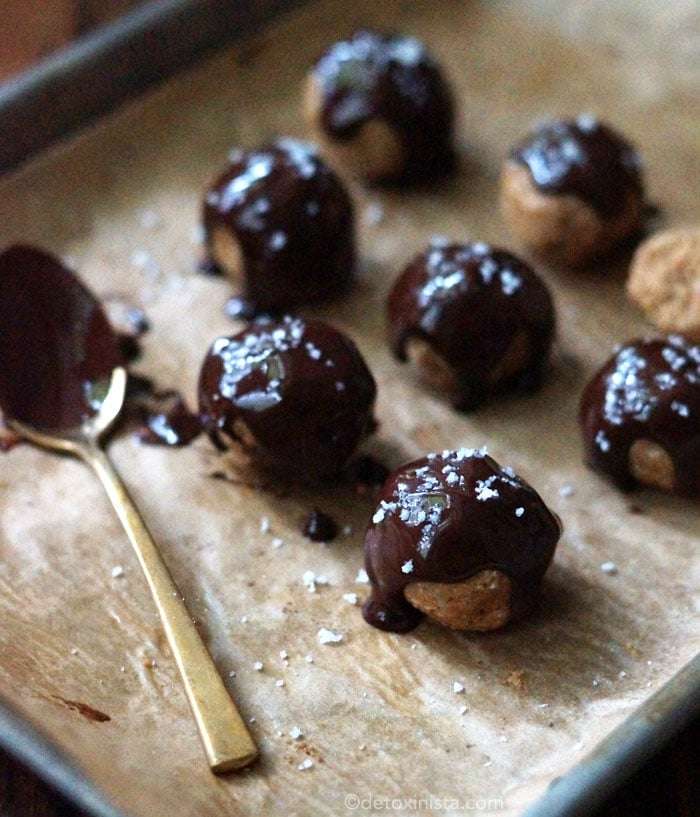
The Allure of Salted Peanut Butter Truffles: A Delicious Dilemma
There's an undeniable magic to the combination of salty and sweet, especially when it comes wrapped in the creamy embrace of peanut butter and a hint of rich chocolate. Salted peanut butter truffles have captured the hearts (and taste buds) of many, offering a homemade treat that often evokes nostalgic comparisons to beloved classics like Buckeye candies. But here's where the plot thickens, and a subtle "rant" often begins to brew in the minds of health-conscious foodies: Can these utterly delicious Easy Salted Peanut Butter Truffles: Refined Sugar-Free Treat actually be considered "detox-friendly"? Or is indulging in such a delight a betrayal of one's wellness goals?
The hesitation to even post a recipe for something so seemingly indulgent, even when crafted with care and healthier ingredients, speaks volumes about the pervasive and often rigid interpretations of what constitutes a "detox diet." On one hand, you have a homemade snack, often made without refined sugar, providing healthy fats and protein. On the other, it's a truffle – a treat, a dessert, a moment of pure bliss. This article delves into the truth behind this delightful dilemma, dissecting the concept of "detox-friendly" and offering insights into how these irresistible salted peanut butter truffles can indeed fit into a balanced, health-conscious lifestyle, sans the guilt and the unhelpful dietary dogma.
Deconstructing "Detox-Friendly": More Than Just Ingredients
The term "detox" has become a buzzword, often associated with restrictive diets, expensive cleanses, and the avoidance of entire food groups. This rigid interpretation is precisely where the "rant" begins for many nutritionists and health advocates. True detoxification is an ongoing, natural process performed by our liver, kidneys, lungs, skin, and digestive system, designed to neutralize and eliminate harmful substances from the body. It's not a once-a-year extreme overhaul, but a continuous function supported by a consistent intake of nutrient-dense foods, adequate hydration, sufficient sleep, and stress management.
So, when we ask if salted peanut butter truffles are "detox-friendly," we need to shift our perspective. Instead of focusing on strict elimination, we should consider how these truffles are made and consumed. Are they providing wholesome ingredients that support the body's natural processes, rather than burdening them? When compared to their more traditional counterparts, like the classic Buckeye, which often relies heavily on powdered sugar and hydrogenated oils, homemade versions of Salted Peanut Butter Truffles vs. Buckeyes stand out significantly. They swap refined sugars for natural sweeteners like maple syrup or dates and opt for natural peanut butter free from added oils and sugars. This conscious choice of ingredients aligns far more closely with a supportive, long-term approach to health than the extreme, often unsustainable, protocols promoted by many "detox" trends.
The psychological aspect is also crucial. Depriving oneself entirely of enjoyable foods can lead to intense cravings, feelings of failure, and ultimately, an unhealthy relationship with food. Mindful indulgence, on the other hand, allows for satisfaction and prevents the mental burden of constant restriction. A truly "detox-friendly" approach to eating embraces balance, nutrient density, and a positive mindset, not just a list of "approved" or "forbidden" foods.
Making Your Salted Peanut Butter Truffles Truly Health-Conscious
The beauty of making your own salted peanut butter truffles is the complete control you have over the ingredients. This is where you can transform a simple treat into a truly health-conscious snack that actually supports your body, rather than detracts from your wellness goals. Here’s how to ensure your truffles are as "detox-friendly" as they can be:
- Choose Your Peanut Butter Wisely: Opt for natural, unsweetened peanut butter with a single ingredient: peanuts (or peanuts and salt). Avoid brands with added sugars, hydrogenated oils, or emulsifiers.
- Embrace Natural Sweeteners: Instead of refined sugar, use natural alternatives like maple syrup, honey, date paste, or a small amount of stevia. These provide sweetness with additional trace minerals or a lower glycemic impact.
- Mind the Fat Content: While healthy fats are essential, truffles can be calorie-dense. Use good quality fats like coconut oil or cocoa butter sparingly, focusing on portion control. These fats can offer quick energy and help in nutrient absorption.
- Select Your Salt: A pinch of high-quality sea salt or Himalayan pink salt not only enhances flavor but also provides trace minerals, contributing to electrolyte balance.
- Consider Nutrient Boosters: For an added nutritional punch, you can incorporate ingredients like chia seeds or flaxseeds (for omega-3s and fiber), collagen powder (for protein and gut health), or even a scoop of plant-based protein powder.
- Dark Chocolate for the Win: If you're adding a chocolate coating, choose dark chocolate with a high cocoa percentage (70% or higher). Dark chocolate is rich in antioxidants and has less sugar than milk chocolate.
- Portion Control is Key: Even with the healthiest ingredients, moderation is crucial. These truffles are dense in calories and fats. Enjoy them as a satisfying treat, not as a main meal. A single truffle can provide a perfect energy boost or a mindful dessert.
By consciously selecting your ingredients, you ensure your salted peanut butter truffles are a source of good fats, some protein, and natural sweetness, making them a far cry from highly processed snacks. They become an example of how delicious foods can indeed be part of a wholesome diet, rather than something to be feared or avoided.
Beyond the Truffle: Embracing Balance in Your Diet
The discussion around salted peanut butter truffles and their "detox-friendliness" ultimately leads to a broader, more critical point: the importance of balance and a sustainable approach to health. True well-being isn't achieved through temporary deprivation or rigid food rules, but through consistent healthy habits that include nutrient-rich whole foods, regular physical activity, adequate sleep, and effective stress management. Restrictive "detoxes" often lead to a cycle of deprivation and bingeing, fostering guilt and an unhealthy relationship with food.
Instead, consider the 80/20 rule: aim for whole, unprocessed foods 80% of the time, and allow yourself flexibility for enjoyable treats 20% of the time. This mindset promotes sustainability and freedom from the constant mental burden of dietary restrictions. Foods like homemade salted peanut butter truffles can fit beautifully into that 20%—especially when made with mindful ingredients—providing satisfaction and preventing feelings of deprivation. It's about empowering yourself with knowledge to make informed choices, rather than adhering to arbitrary labels.
A "rant" about "detox-friendly" foods is really a plea for common sense and self-compassion in nutrition. Our bodies are incredibly resilient and capable of processing what we consume, provided we generally fuel them with quality ingredients. Focusing on overall dietary patterns and lifestyle choices is far more impactful than agonizing over whether a specific treat, especially one made with care, fits a narrow, often misleading, definition of "detox."
Conclusion
So, are salted peanut butter truffles detox-friendly? The truth is, it depends on your definition of "detox" and, crucially, how you make them. If "detox" means supporting your body's natural cleansing mechanisms with nourishing foods, then thoughtfully prepared truffles, free from refined sugars and unhealthy fats, absolutely can be part of that journey. They offer a delightful way to satisfy a sweet craving without compromising your commitment to real, wholesome ingredients. The "rant" isn't against the truffles themselves, but against the restrictive, often guilt-inducing narratives that prevent us from enjoying food mindfully. Embrace the joy of creating and savoring these delicious, healthier treats, knowing that balance, moderation, and quality ingredients are the true keys to a genuinely healthy and happy life.
